PERFECT HIDEAWAYS
Marakele National Park hideaways
Loading more Hideaways
Explore…
Surrounded by the magnificent Waterberg Mountains, Marakele National Park is the perfect safari destination. With Big Five game viewing and a selection of luxurious safari lodges, bush hideaways, and game farm accommodation, this park offers an unforgettable experience. Whether you're seeking a couples safari or a family getaway, the serene landscapes and diverse wildlife make it one of the best safaris in Africa.
Marakele National Park offers a perfect safari experience with Big Five game viewing, luxurious safari lodges, and bush hideaways. Enjoy guided walks, 4×4 eco trails, and memorable wildlife encounters.
Good to know
Marakele National Park - frequently asked questions
Where is Marakele National Park?
Marakele National Park lies in the Waterberg mountains of Limpopo, South Africa, with its entrance on the Alma road about 12km from the town of Thabazimbi. Its Setswana name means "a place of sanctuary", and the park forms part of the UNESCO Waterberg Biosphere Reserve. Marakele sits where South Africa's dry west meets its wetter east, so the landscape shifts from bushveld plains to the rose-tinted cliffs of the Kransberg, which glow pink at dawn and turn a deep peach rose later in the day.
How do you get to Marakele National Park?
Drive north from Johannesburg or Pretoria on the N1, take the Bela-Bela turn-off and follow the R516 to Thabazimbi, then take the Alma road to Marakele National Park. Allow about three hours from Pretoria and up to four hours from Johannesburg, depending on traffic. If you'd rather fly, the Thabazimbi airstrip is about an hour's drive from Marataba Safari Lodge and about an hour and a half from Marataba Mountain Lodge.
What is Marataba in Marakele National Park?
Marataba is a privately managed section of Marakele National Park, on the plains below the Waterberg, and SANParks places it within the park's contractual land. Water safaris run on the Matlabas River here, and it's home to the three Marataba lodges that are our hideaways in Marakele. Watch for cheetah, which are seen more often in this northern section, then return to camp. At Marataba Safari Lodge, the camp is unfenced, so elephant tracks often meander along its pathways and elephants sometimes sip from the pool.
Can you see the Big Five in Marakele National Park?
Yes. Lion, leopard, elephant, rhino and buffalo all live in Marakele National Park, including both black and white rhino, along with brown hyena, aardwolf and pangolin. In the Marataba section, set out on Big Five game drives, night drives and guided bush walks with expert field guides. Seeing all five isn't guaranteed and can take a few days, so give yourself time. South African Tourism recommends staying at least two nights in Marakele to make the most of the game viewing.
Where can you see the Cape vulture colony in Marakele?
Marakele National Park's Cape vulture colony nests on the Kransberg, and it's one of the world's largest, with around 800 breeding pairs. From the plains, a steep, narrow tar road climbs towards the top of the Kransberg, whose 2 088m summit is the highest point in the park, to the Lenong viewpoint. Watch the great birds gather near the mountain tops, with the Waterberg spread out below. Klipspringer often appear along the pass. The pass has sheer drop-offs that aren't for anyone nervous of heights, so take it slowly, and bring binoculars.
What is a water safari at Marataba?
A water safari at Marataba is a trip by flat-bottomed boat along the Matlabas River, in the Marataba section of Marakele National Park. Glide along the river in the morning or at sunset and watch elephants at the water's edge and hippos surfacing nearby, a different view of the Waterberg from the one you see on a game drive. Our concierge team can help you plan your days at Marataba around game drives, walks and time on the river.
Can you take part in rhino conservation at Marataba?
Yes. At Marataba, in Marakele National Park, guests can join hands-on rhino conservation work, which runs from April to September. Help fit tracking collars and collect samples from black and white rhino, and see up close what it takes to protect them. Book ahead. Our concierge team can help arrange it as part of your stay at the Marataba lodges.
What is the Marataba Thabametsi Treehouse?
The Marataba Thabametsi Treehouse is a two-level, solar-powered sleep-out at the foot of the Waterberg, in the Marataba section of Marakele National Park. It sleeps four guests in one bedroom with one bathroom, and children aged six to 15 are welcome. Arrive at sunset for drinks and a picnic dinner, then watch for wildlife and gaze at the stars from the decks before you fall asleep to the sounds of the bush.
Is Marakele National Park malaria-free?
Yes. SANParks places Marakele National Park, near Thabazimbi in the western Waterberg, in a malaria-free area. The wider Waterberg District carries a low risk rather than none: the US CDC notes that only sporadic cases have been reported in the western Waterberg District since an outbreak in 2017. Consult a travel clinic before you travel, particularly with young children.
When is the best time to visit Marakele National Park?
Marakele National Park welcomes visitors all year, but South African Tourism recommends April to October, from late autumn to mid-spring. These months are mild and dry, with cool nights, and winter nights from June to August can drop to near freezing, so pack warm layers for early game drives. December to February can be very hot, and summer, the rainy season, brings lush green bush.
Is Marakele National Park good for a family safari?
Yes. SANParks places Marakele National Park in a malaria-free area, and it lies about three to four hours' drive from Johannesburg and Pretoria. Marataba Safari Lodge is child friendly, with the Mack and Madi Kids' Adventure Safari to keep young explorers busy. The Marataba Thabametsi Treehouse welcomes children aged six to 15, while Marataba Mountain Lodge doesn't accept children under 16. Share your children's ages, and our reservations consultants can match your family with a suitable hideaway.
What is the Marakele 4×4 Eco Trail?
The Marakele 4×4 Eco Trail is a guided three-day trail through the wilderness zone of Marakele National Park, with two nights at unfenced camps. You drive your own 4×4 with low range, following a park ranger who leads the convoy, and you bring your own food, water and equipment. The trail runs in the dry season, from April to October, and can close after heavy rain. Vehicles must meet strict ground-clearance rules, so check the requirements and book ahead with SANParks.
Which hideaways can you book in Marakele National Park?
Our three Marakele National Park hideaways are Marataba lodges in the park's Marataba section. Marataba Safari Lodge sleeps 38 guests in 19 bedrooms and welcomes children. Marataba Mountain Lodge, five rooms above Waterfall Valley, sleeps 10 guests and doesn't accept children under 16. The Marataba Thabametsi Treehouse is a two-level sleep-out for four. Our reservations consultants can help you choose.
How do I book a hideaway in Marakele National Park?
Send an enquiry or call the Perfect Hideaways team on +27 21 790 0972 (Monday–Thursday 8.30am–5pm, Friday 8.30am–4pm SAST). Book early for the December and January school holidays. Our reservations consultants can match you with the perfect hideaway. Through our bespoke travel service, we also craft custom itineraries for our guests, shaped around their own dreams and desires.
Let Us Do The Work
Our knowledgeable Reservation Consultants LOVE travel planning! They are passionate about discovering your wants and needs, and match-making you to the hideaways that will deliver a tailor-made, perfect holiday experience.
Lifestyles
The travel lifestyle and how our hideaways are curated to your taste …
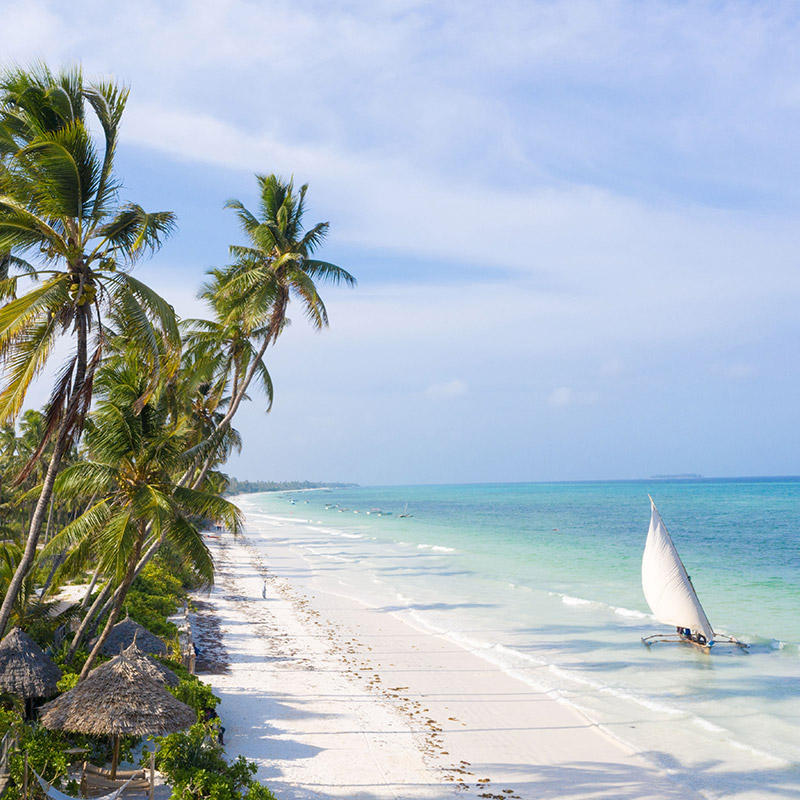
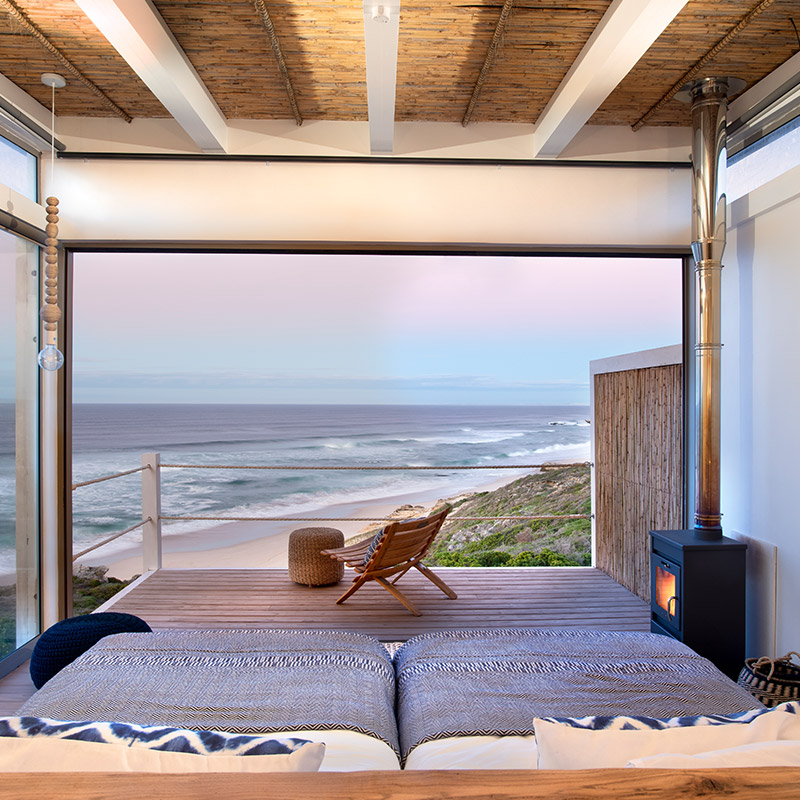
Experience the ultimate in luxury and personalized service with our handpicked Boutique Hotels. From chic city escapes to secluded retreats, each offers charm, style, world-class amenities, and gourmet dining. View More
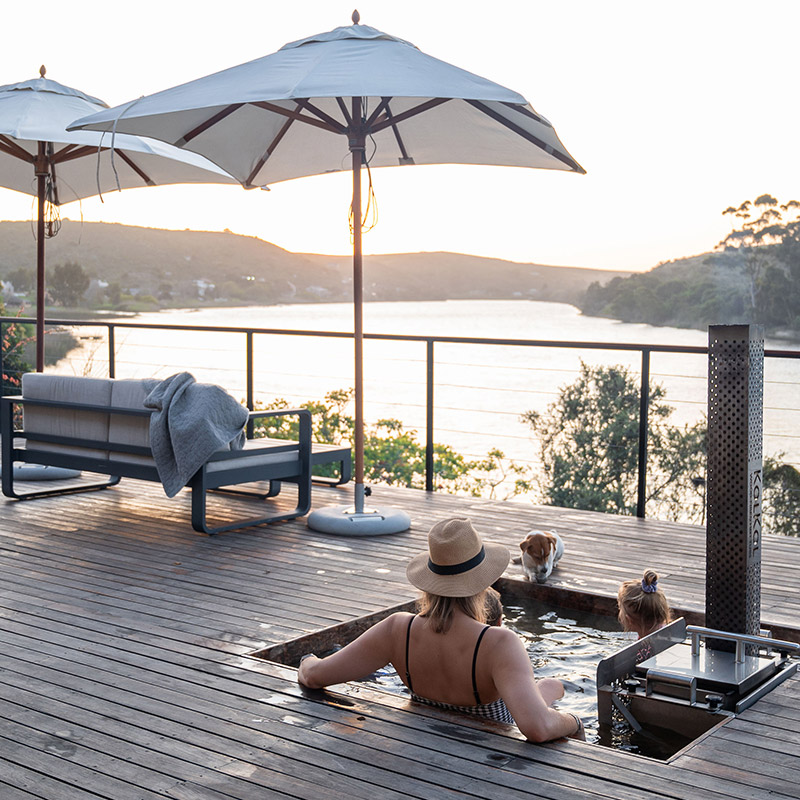
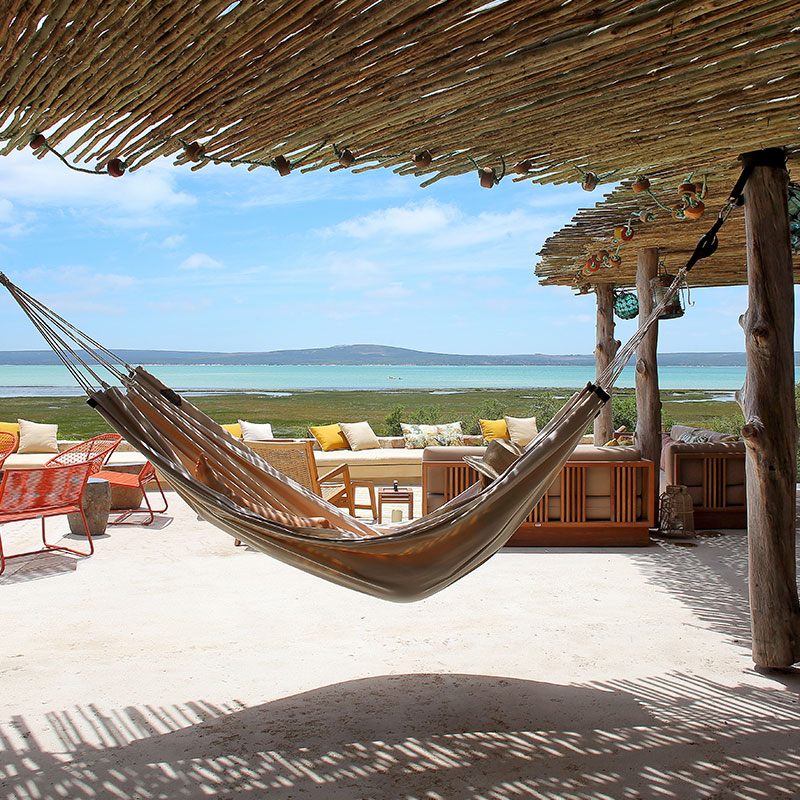
Escape to our off-the-grid hideaways, where nature reigns. Disconnect from technology and reconnect with serene, eco-friendly properties, from solar-powered cottages to breathtaking, remote wilderness villas. View More
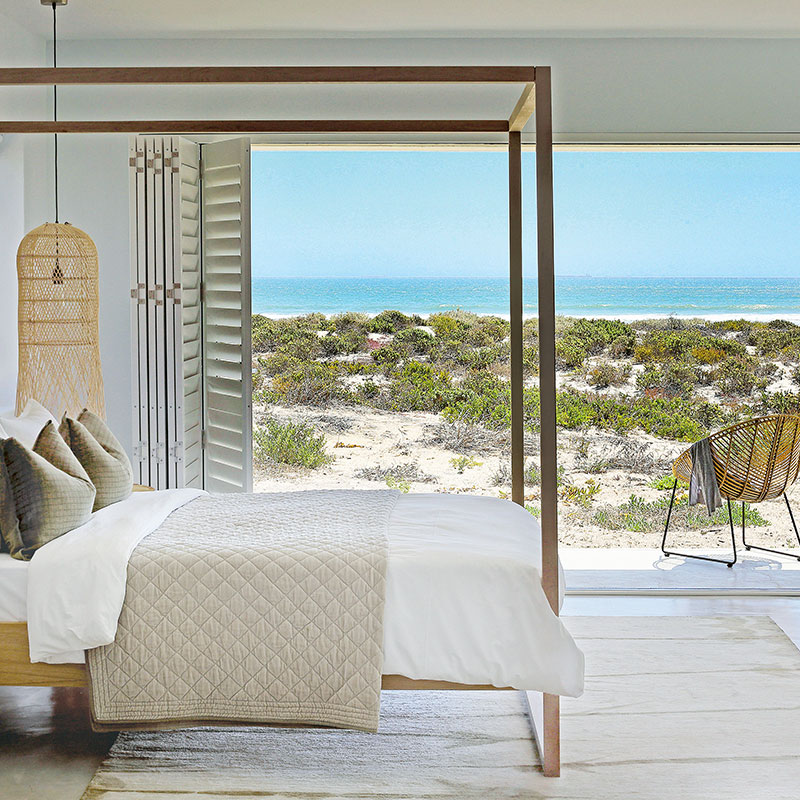
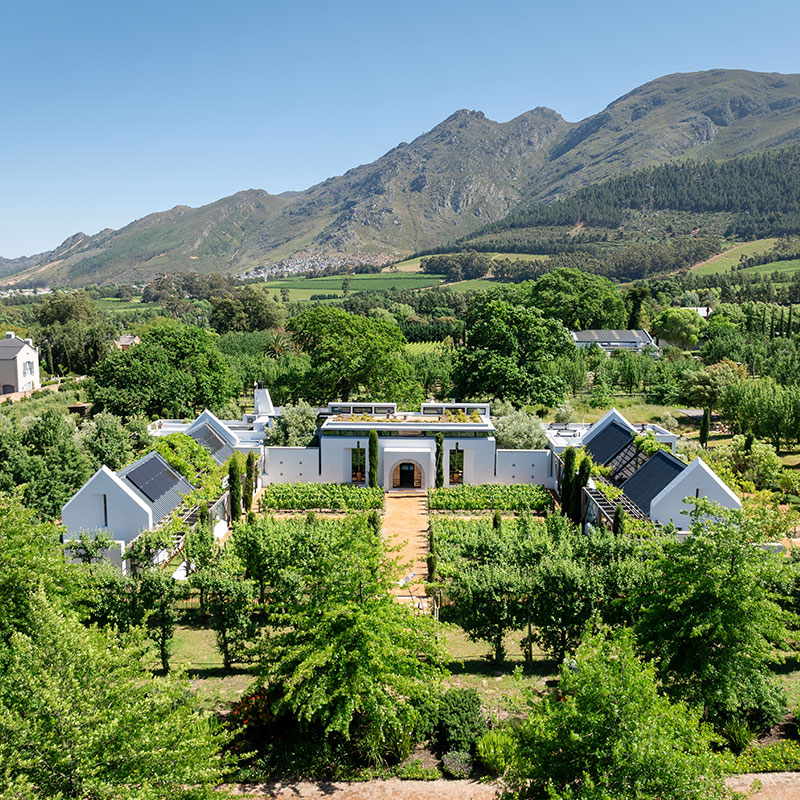
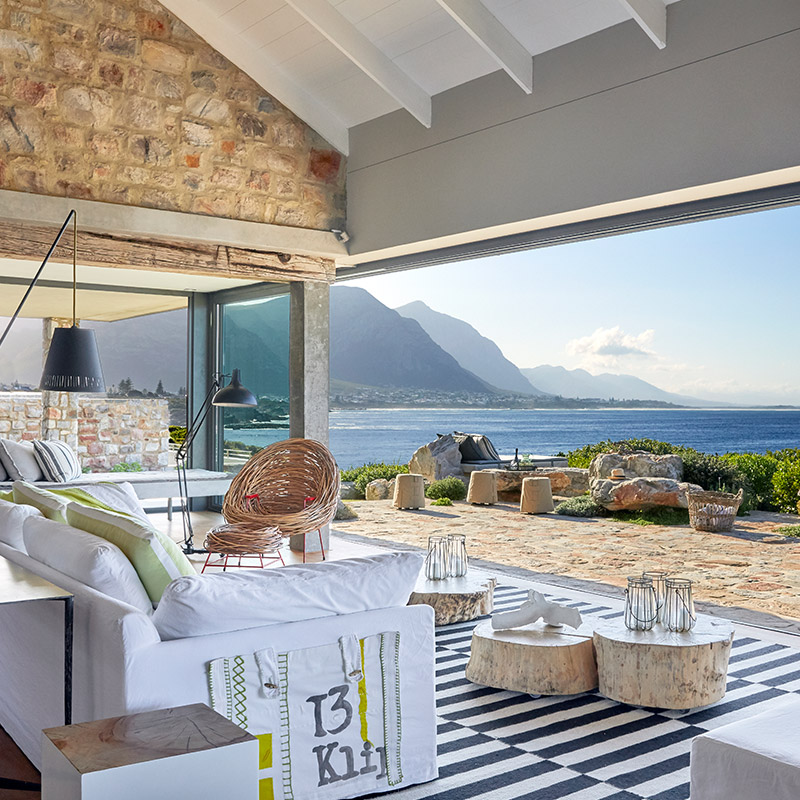
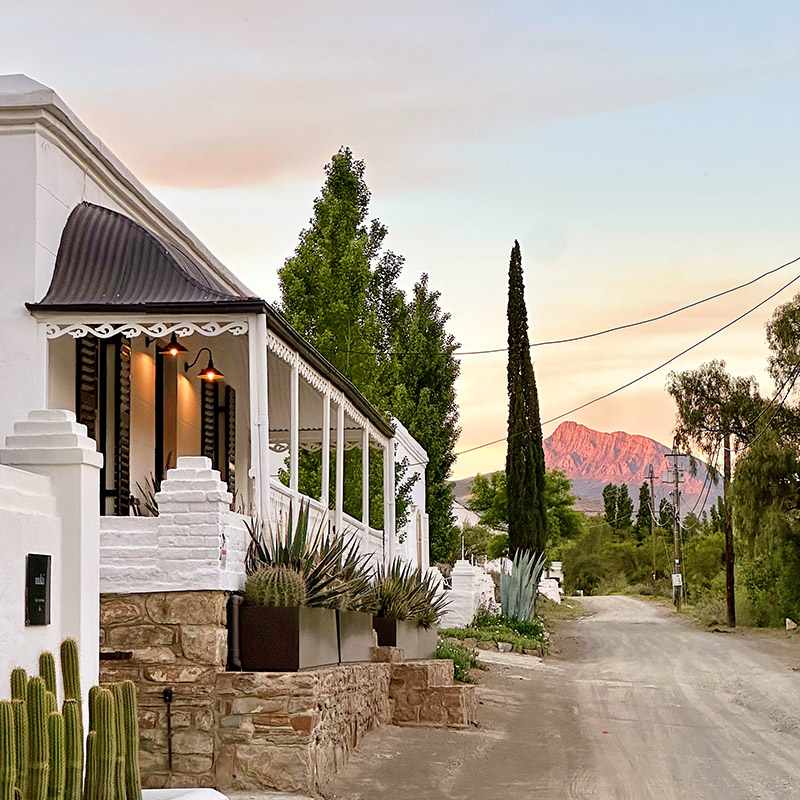
Escape to the countryside with Perfect Hideaways. Enjoy charming cottages, luxurious farmhouses, and serene landscapes, offering the perfect blend of comfort, nature, and tranquility away from the everyday hustle. View More
