PERFECT HIDEAWAYS
Paternoster hideaways
Loading more Hideaways
Explore…
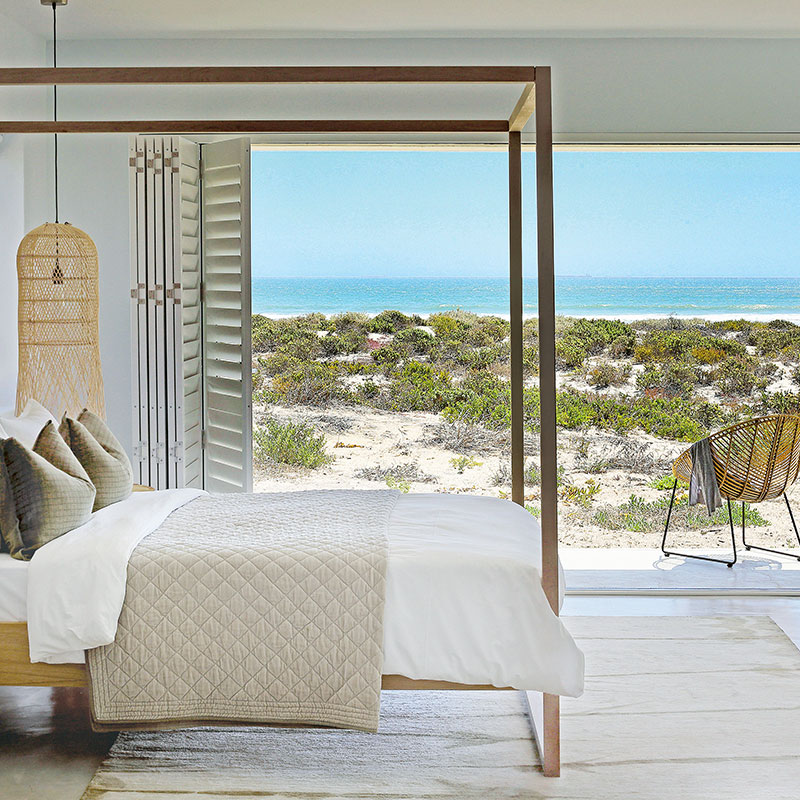
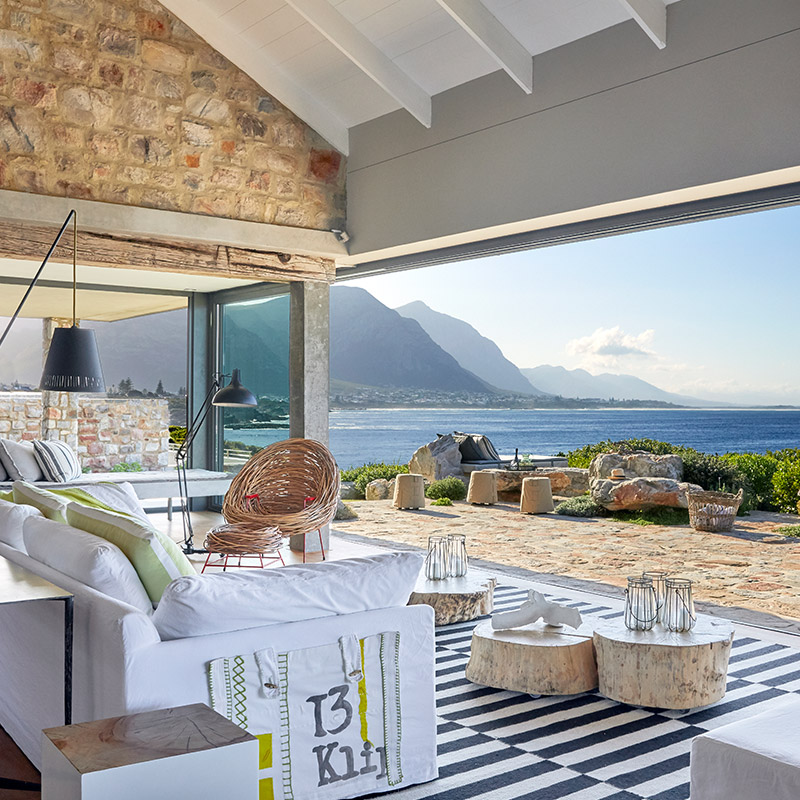
Go west, where clusters of whitewashed fisherman cottages rest upon the dunes of the Atlantic Ocean’s shoreline. Experience the idyllic coastal charm of Paternoster, along South Africa’s captivating West Coast, through our self-catering accommodation offerings. Nestled on the long stretches of pearly-white sand, the quirky little seaside hamlet of Paternoster offers you and your travelling companions the perfect blend of seaside serenity with small-town comforts. Our Paternoster coastal hideaways present a curated selection of beach homes.
Go west, where clusters of whitewashed fisherman cottages rest upon the dunes of the Atlantic Ocean’s shoreline. Experience the idyllic coastal charm of Paternoster.
Good to know
Paternoster - frequently asked questions
Where is Paternoster and how far is it from Cape Town?
Paternoster is a fishing village on South Africa's Cape West Coast, set at Cape Columbine between Saldanha Bay and St Helena Bay, about 150km north of Cape Town. The drive takes about two hours: follow the R27 West Coast Road past Yzerfontein and Langebaan, then turn off towards Vredenburg, 15km south-east of the village. From Cape Town International Airport, take the N2 and N7, then join the R27 at Melkbosstrand. Cape Columbine Nature Reserve lies about 5km beyond Paternoster.
What is Paternoster known for?
Paternoster is one of the oldest fishing villages on the West Coast, known for whitewashed fishermen's cottages and seafood. Building restrictions protect the village's way of life, so whitewashed walls, blue shutters and thatched roofs still set the scene. Fishing families have lived here for generations, and fishermen still launch colourful wooden boats from the beach. Paternoster is also known for West Coast rock lobster, called crayfish locally. WWF-SASSI red-lists it because stocks are heavily depleted, so ask about other local seafood.
What is Cape Columbine Nature Reserve and its lighthouse?
Cape Columbine Nature Reserve is a 263ha stretch of rocky coastline about 5km from Paternoster, declared a nature reserve in 1973. Its landmark is the Cape Columbine lighthouse, first lit in 1936 on Castle Rock, a granite outcrop near the sea, and the last manned lighthouse built on South Africa's coast. It's usually the first South African lighthouse sighted by ships from Europe. The headland takes its name from the Columbine, a British ship wrecked nearby in 1829. Inside the reserve, camp at Tietiesbaai's popular campsite, hike the trails, swim, fish or kayak. A gravel road leads in and an entry fee applies. The lighthouse isn't always open to visitors, so check access before you go.
Can you see dolphins and whales in Paternoster?
Yes. Heaviside's dolphins are seen off Paternoster. They live almost only in the cold Benguela waters off south-western Africa, from Cape Point to southern Angola, mostly in water less than 100m deep, and nearby St Helena Bay supports a sizeable population. Mornings are the best time to watch from the shore, as the dolphins tend to come closest then. Seals are regularly seen too, and whales visit St Helena Bay in winter and spring, with spring the main whale-watching season, weather permitting.
Where can you eat in Paternoster?
Paternoster's best-known restaurant is Wolfgat, opened in 2016 by chef-patron Kobus van der Merwe in a tiny whitewashed former fisherman's cottage. Its seasonal Strandveld tasting menu is built on seaweed, fynbos and local seafood, and it was named Restaurant of the Year at the 2019 World Restaurant Awards. Wolfgat books up months ahead and walk-ins aren't accepted, so reserve early. For a relaxed meal, Voorstrandt serves seafood in a century-old, red-roofed building on the beach; book ahead in summer. Our concierge team can make restaurant bookings for you.
When and where can you see wildflowers near Paternoster?
Wildflowers bloom around Paternoster in spring, usually in August and September, and Cape Columbine Nature Reserve, about 5km from the village, is the place to see them nearby. Expect white rain daisies in profusion and bokbaaivygies brightening the rocks along the coastline. Displays vary from year to year with the winter rain. For the West Coast's most prolific displays, visit the Postberg section of the West Coast National Park, which opens only during flower season, usually August and September, and makes a rewarding day trip.
Can you swim at Paternoster's beaches?
Yes, but Paternoster's sea is cold. Amble along the long, white beach in front of the village, where fishermen still launch their wooden boats. The Atlantic stays cold all year because of the Benguela Current, so swims tend to be brief and bracing. Guided sea-kayaking trips leave from the village and should be booked ahead, weather permitting. In Cape Columbine Nature Reserve, about 5km away, sheltered coves suit a dip or a paddle. Children can explore the water's edge with an adult close by.
When is the best time to visit Paternoster?
Paternoster is a year-round escape with a Mediterranean climate: dry, sunny summers and mainly winter rain. December to February is the busiest time, made for long beach days, so book early for the December and January holidays. Spring brings wildflowers in August and September and is the main whale-watching season. Autumn, especially April, is quieter after the summer rush. Winters are cold and stormy, with a wild beauty of their own.
Is Paternoster malaria-free?
Yes. Paternoster, on South Africa's Cape West Coast, is in an area with no known malaria transmission, according to the US Centers for Disease Control and Prevention. In South Africa, malaria occurs mainly in parts of Limpopo, Mpumalanga and KwaZulu-Natal along the borders with Zimbabwe and Mozambique, far from the West Coast. If your trip continues to a safari area in those provinces, consult a travel clinic before you travel.
Why stay in a private hideaway in Paternoster?
Stay in a private hideaway in Paternoster and the beach home is yours alone: after long walks on the sand, your family or group has room to cook, unwind and gather in a self-catering house of your own. Beach House Zonnestraal, set along the dunes, sleeps 10 in four bedrooms with three and a half bathrooms.
Where can you shoot on location in Paternoster?
Islands Beach House and Trekoskraal Farm, in and near Paternoster, about two hours' drive from Cape Town, are available for film and photography shoots only. Islands Beach House draws the West Coast landscape into the home, with an ocean-view patio, outside shower, wood fireplace and indoor braai. About 6km south of Paternoster as the crow flies, Trekoskraal Farm gives rugged outdoor and vehicle shoots 12km of wild coastline, with eight beaches and coves backed by dunes. A 4×4 is needed to reach some areas. Saldanha Bay Municipality requires a film permit for shoots on public property such as beaches and roads. Send us your brief through Perfect Hideaways Shoot Locations.
How do I book a hideaway in Paternoster?
Send an enquiry or call the Perfect Hideaways team on +27 21 790 0972 (Monday–Thursday 8.30am–5pm, Friday 8.30am–4pm SAST). Book early for the December and January holidays and the spring flower season. Our reservations consultants can match you with the perfect hideaway. Through our bespoke travel service, we also craft custom itineraries for our guests, shaped around their own dreams and desires.
Let Us Do The Work
Our knowledgeable Reservation Consultants LOVE travel planning! They are passionate about discovering your wants and needs, and match-making you to the hideaways that will deliver a tailor-made, perfect holiday experience.
Lifestyles
The travel lifestyle and how our hideaways are curated to your taste …
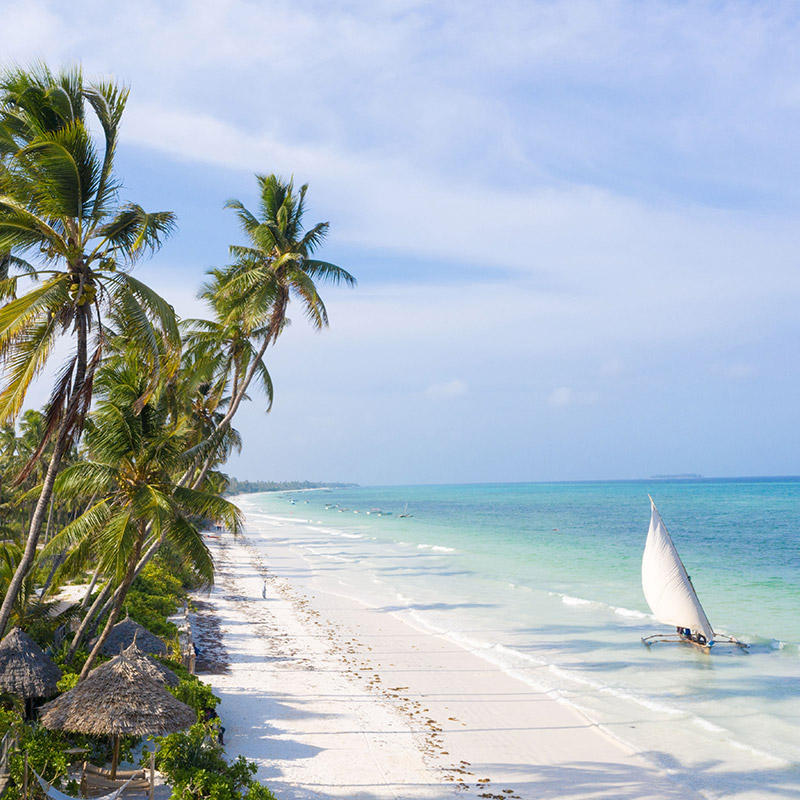
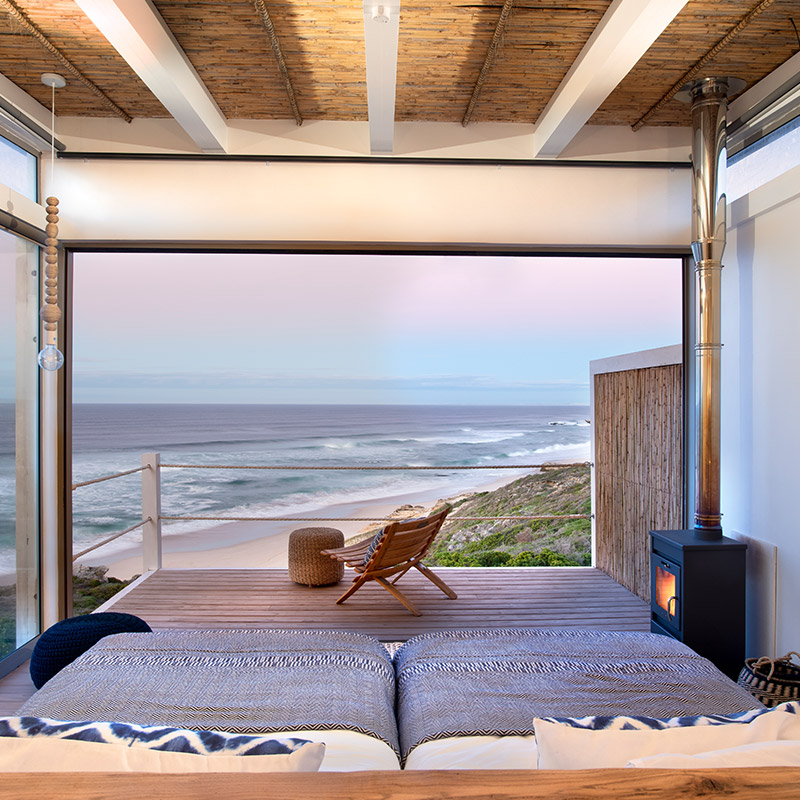
Experience the ultimate in luxury and personalized service with our handpicked Boutique Hotels. From chic city escapes to secluded retreats, each offers charm, style, world-class amenities, and gourmet dining. View More
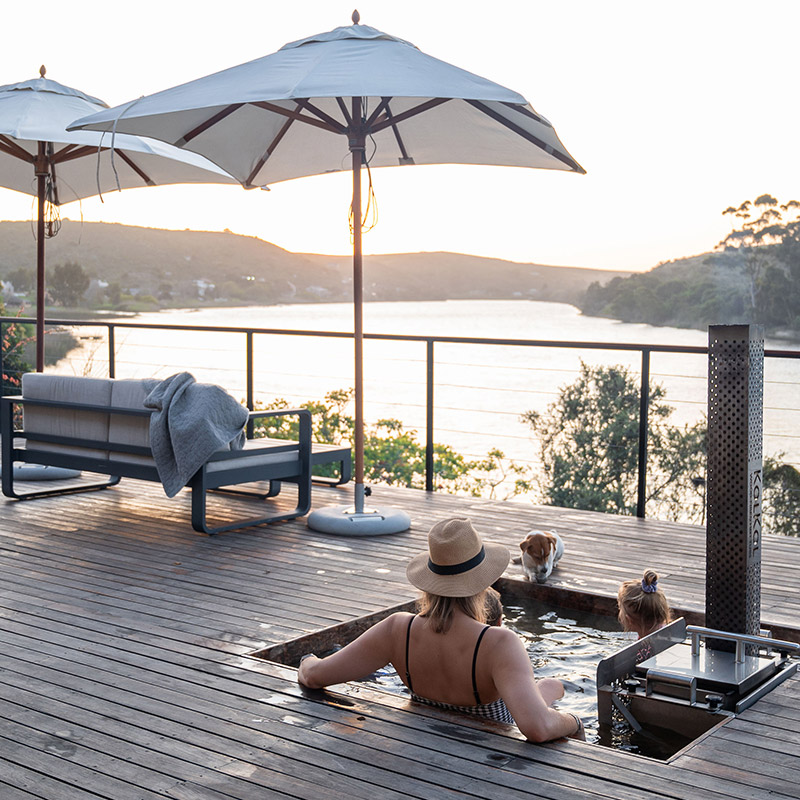
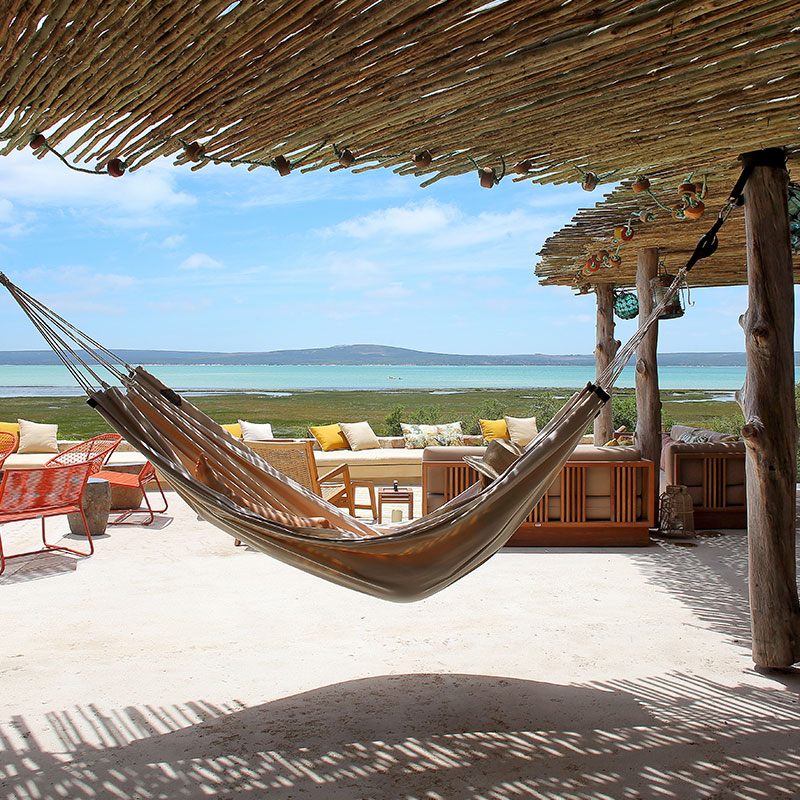
Escape to our off-the-grid hideaways, where nature reigns. Disconnect from technology and reconnect with serene, eco-friendly properties, from solar-powered cottages to breathtaking, remote wilderness villas. View More
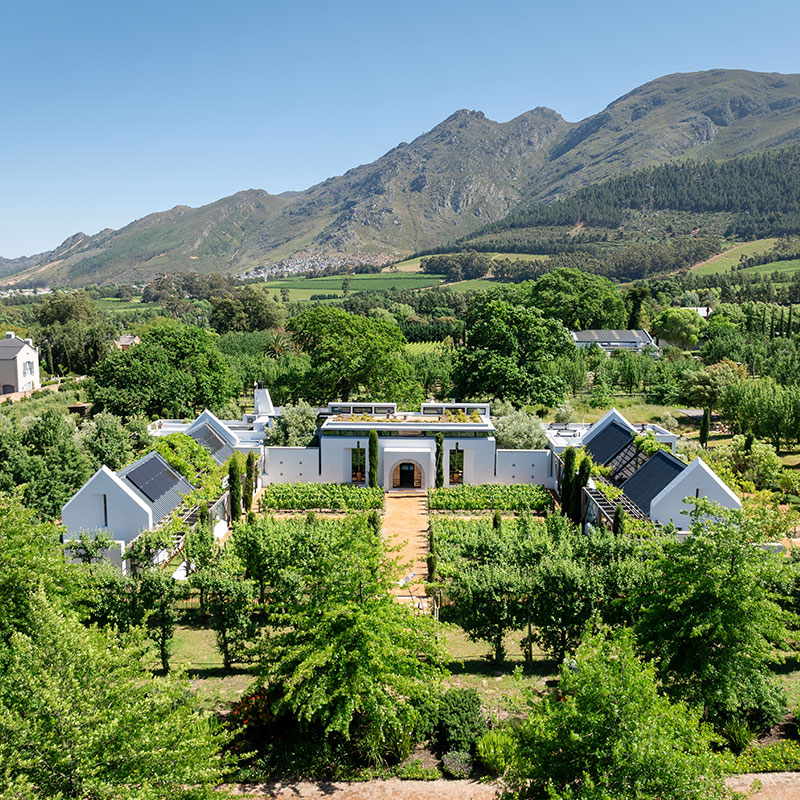
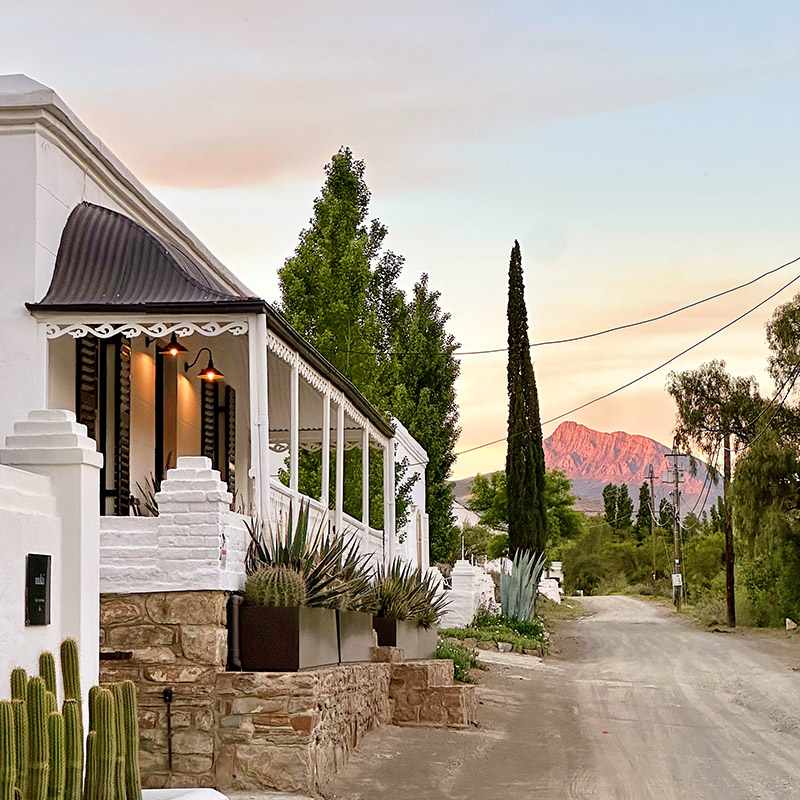
Escape to the countryside with Perfect Hideaways. Enjoy charming cottages, luxurious farmhouses, and serene landscapes, offering the perfect blend of comfort, nature, and tranquility away from the everyday hustle. View More
