PERFECT HIDEAWAYS
Tulbagh hideaways
Loading more Hideaways
Explore…
A town surrounded by majestic mountains and rolling vineyards, fruit orchards and abounding nature trails, the beautiful village of Tulbagh invites you and your travelling clan to discover a unique part of the Cape Winelands. Our self-catering accommodation offerings of luxury farmhouses and historical homesteads are the perfect spots to pivot from, as you explore the serene beauty of Tulbagh and her surroundings. Nestled in the heart of the Western Cape, Tulbagh offers a charming blend of rich heritage with small-town charm.
A town surrounded by majestic mountains and rolling vineyards, fruit orchards and abounding nature trails.
Good to know
Tulbagh - frequently asked questions
Where is Tulbagh and how far is it from Cape Town?
Tulbagh is a historic village in the Cape Winelands of South Africa's Western Cape, about 90 minutes' drive from Cape Town. It lies in a horseshoe-shaped valley ringed by three mountain ranges: the Obiqua to the west, the Winterhoek to the north and the Witzenberg to the east. Look out across the valley floor and you'll see vineyards and working farms, with Wolseley just to the south. Settled by farmers in 1699, Tulbagh is one of South Africa's oldest towns.
How do you drive from Cape Town to Tulbagh?
Tulbagh is about 90 minutes' drive from Cape Town via the N1, R44 and R46. Take the N1 towards Paarl, turn off onto the R44 towards Wellington, then follow the R44 north past Hermon towards Gouda. From there, the R46 carries you through the Nuwekloof Pass, alongside the Klein Berg River, into the Tulbagh valley. For a mountain detour, the Bain's Kloof Pass links Wellington with Ceres and the Tulbagh valley. Flood repairs have closed it in the past, so check road conditions before you set out.
What is special about Church Street in Tulbagh?
Church Street is the historic heart of Tulbagh, lined with restored Cape Dutch, Edwardian and Victorian buildings that Tulbagh Tourism calls the largest such collection in the country. On the night of 29 September 1969, an earthquake measuring 6.3 struck the region, toppling gables and cracking walls along the street. A national effort followed to restore the whole street, house by house. Stroll beneath the gables today and it's hard to picture the damage, though the street's Earthquake Museum tells the story. Walking tours of the street are available.
Which museums can you visit in Tulbagh?
Tulbagh's museums include the Oude Kerk Volksmuseum and the Earthquake Museum on Church Street and De Oude Drostdy Museum on Old Winterhoek Road. Built in 1743, the Oude Kerk is one of the last remaining cruciform churches built by the Dutch East India Company, and its museum spreads across four historic buildings. Linger over Cape furniture and artefacts, including the table on which the Dutch surrendered to the British in 1806. De Oude Drostdy fills a building from 1804, restored to its original state after the 1969 earthquake. Check opening days before you go.
Where can you go wine tasting in Tulbagh?
Wine tasting in Tulbagh starts on the edge of the village, on the Tulbagh Wine Route, which 12 cellars formed in 2002. Begin at Rijk's Wine Estate on Van der Stel Street, closest to the village. Follow the valley north to Saronsberg, on Waveren Road, where a contemporary tasting room holds an interior art gallery, then on to Twee Jonge Gezellen, home of Krone Cap Classique. Book tastings ahead and let a driver take the wheel between farms. Our concierge team can arrange both.
Is Tulbagh known for Cap Classique?
Yes. Tulbagh's grapes ripen early and keep high acidity, which suits Cap Classique, South Africa's bottle-fermented sparkling wine. Look for Krone, made at Twee Jonge Gezellen, an estate about 300 years old in the north-west of the Tulbagh valley. Its vintage-only Cap Classiques rest on the lees for at least a year, in what Tulbagh Tourism describes as the first underground cellar in Africa, where bottles are still turned by hand. Tastings at Twee Jonge Gezellen are by reservation, so book ahead.
Which mountains surround Tulbagh, and does it snow?
Three mountain ranges encircle Tulbagh: the Obiqua to the west, the Winterhoek to the north and the Witzenberg to the east. Yes, winter often brings snow to the surrounding peaks, so you may wake to white summits above the vineyards, though snowfall is never guaranteed. The ranges also trap cool night air in the valley, keeping daytime temperatures in Tulbagh relatively cool even in the hot summer months.
Can you go hiking near Tulbagh?
Yes. For mountain hiking near Tulbagh, head for the Groot Winterhoek Wilderness Area in the mountains to the north, part of a UNESCO World Heritage Site and reached via Porterville and a steep dirt road over the Dasklip Pass. Trails range from the easy 3km return walk to Protea Pool to the demanding 36km return route to the pool at Die Hel. Look out for rock paintings in the overhangs and caves. You'll need a CapeNature permit, booked ahead, and solo hiking isn't allowed. River crossings can be dangerous in winter, so check conditions before you go.
When is the best time to visit Tulbagh?
Tulbagh is a year-round escape, with a different mood in every season. In summer, the mountains trap cool night air in the valley, so days stay relatively cool even in the hottest months. Across the Cape Winelands, the grape harvest usually runs from late January to early April. Winter often brings snow to the surrounding peaks and, in June, the Christmas in Winter festival, when light processions and live performances fill Church Street. Book ahead for summer and festival weekends.
Is Tulbagh good for families?
Yes. Tulbagh suits families and lies outside South Africa's malaria areas, which the National Institute for Communicable Diseases names as the low-altitude regions of northern KwaZulu-Natal, Limpopo and Mpumalanga. Wander Church Street together and step inside the Oude Kerk, a church built in 1743 and now a museum full of Cape furniture and old artefacts. In June, the Christmas in Winter festival brings light processions and live performances to the street. Our reservations consultants can help you choose a Tulbagh hideaway that suits your family.
Why stay in a private hideaway in Tulbagh?
Stay in a private hideaway in Tulbagh and a heritage home or a whole farm is yours alone, with the mountains rising all around. In the historic village, the Cape Dutch homes Ballotina and The Pynappel House and the homestead House of the Firemaster each sleep six. For larger groups, De Kleine Drie Fonteine, a working wine and cattle farm with six hideaways among the vines and the Witzenberg mountains all around, sleeps 30, and Nibbana Farm sleeps 22.
How do I book a hideaway in Tulbagh?
Send an enquiry or call the Perfect Hideaways team on +27 21 790 0972 (Monday–Thursday 8.30am–5pm, Friday 8.30am–4pm SAST). Our Tulbagh hideaways range from heritage homes for six in the historic village to farms for 22 and 30 guests. Book early for summer weekends and the June festival. Our reservations consultants can match you with the perfect hideaway. Through our bespoke travel service, we also craft custom itineraries for our guests, shaped around their own dreams and desires.
Let Us Do The Work
Our knowledgeable Reservation Consultants LOVE travel planning! They are passionate about discovering your wants and needs, and match-making you to the hideaways that will deliver a tailor-made, perfect holiday experience.
Lifestyles
The travel lifestyle and how our hideaways are curated to your taste …
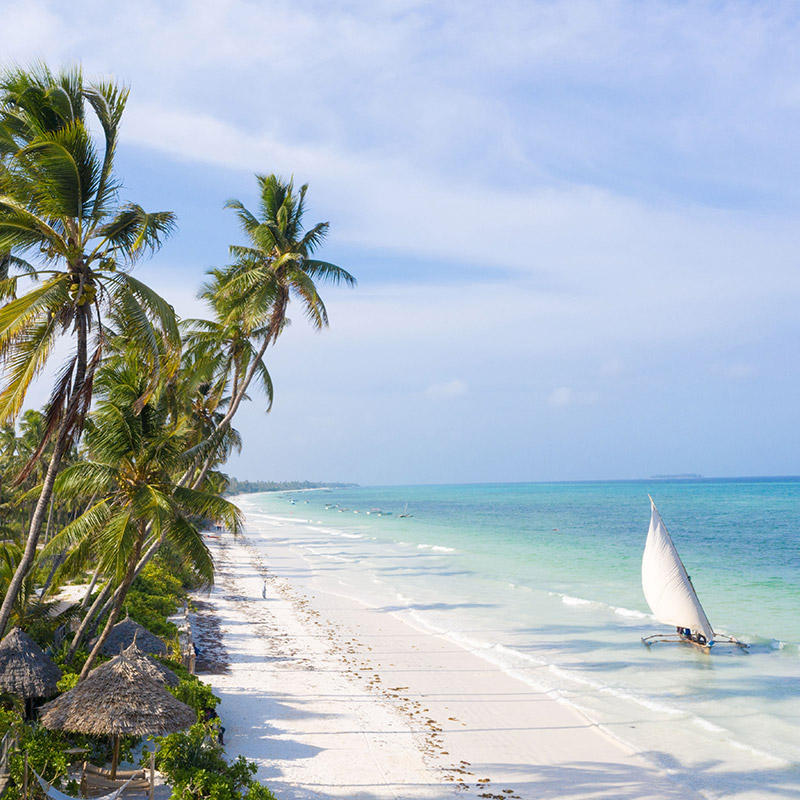
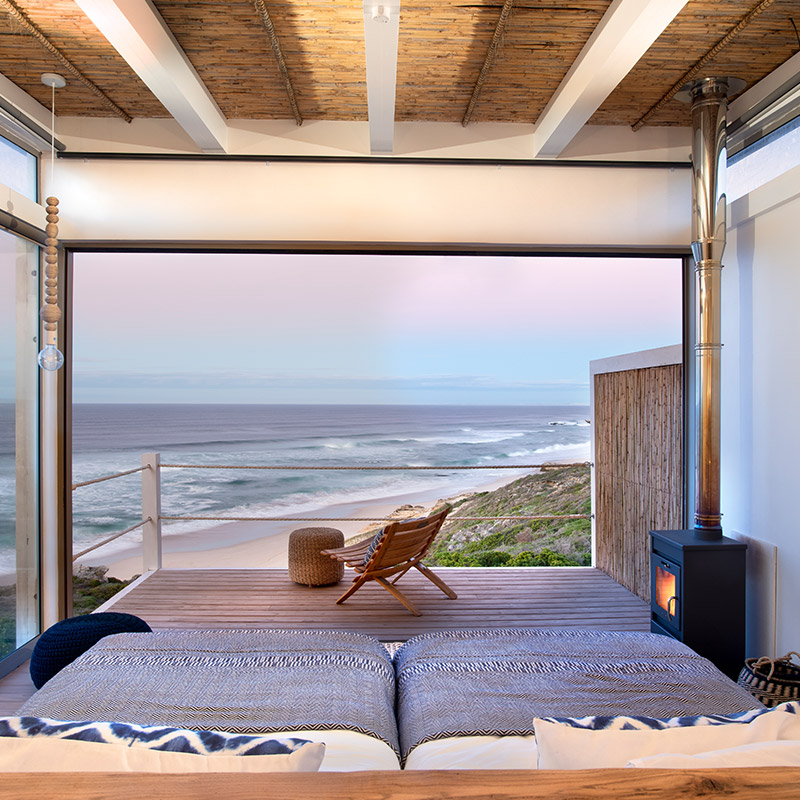
Experience the ultimate in luxury and personalized service with our handpicked Boutique Hotels. From chic city escapes to secluded retreats, each offers charm, style, world-class amenities, and gourmet dining. View More
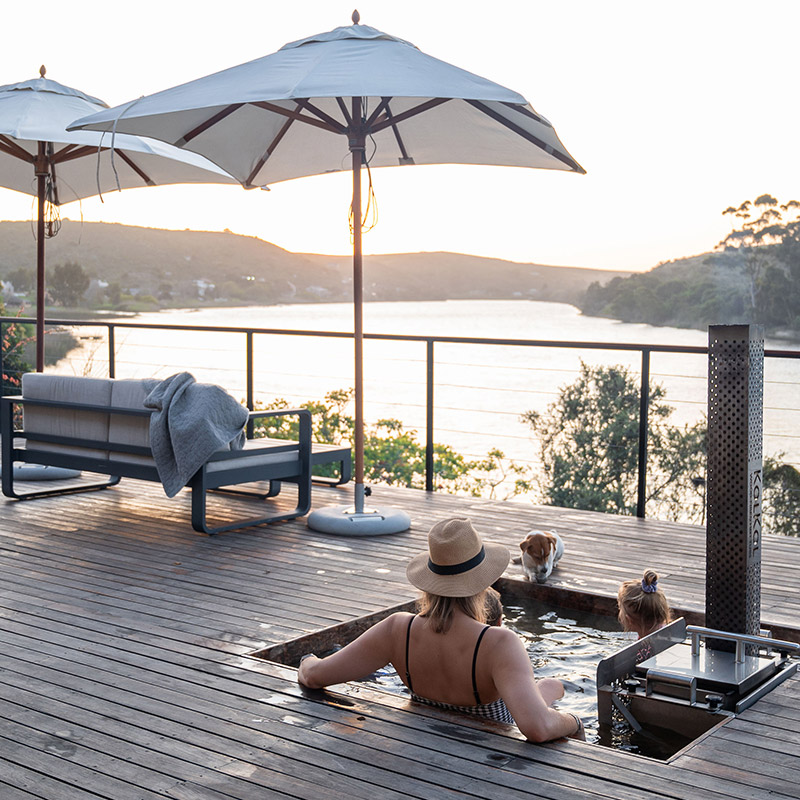
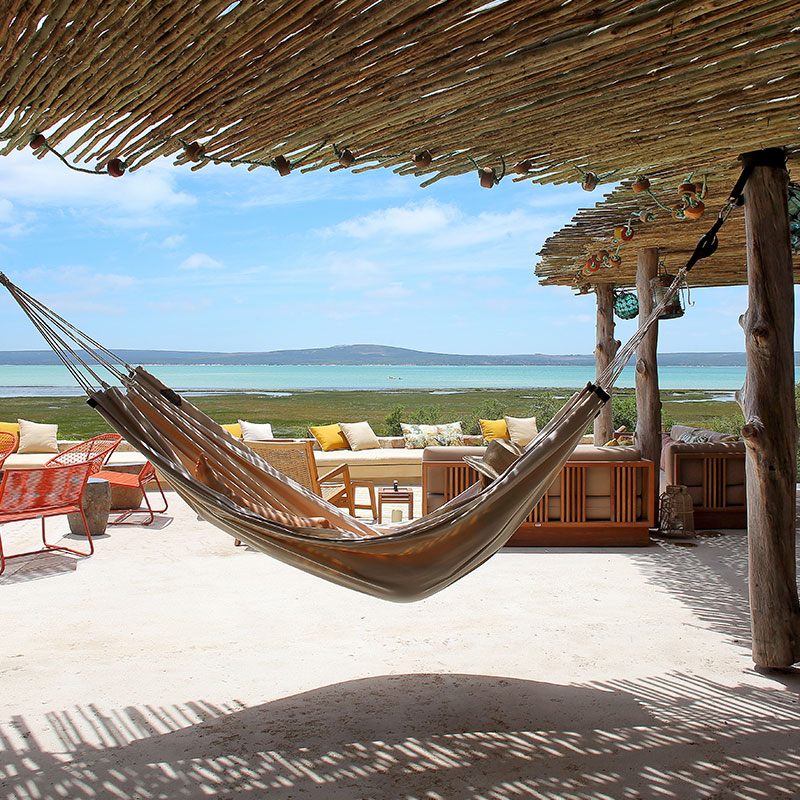
Escape to our off-the-grid hideaways, where nature reigns. Disconnect from technology and reconnect with serene, eco-friendly properties, from solar-powered cottages to breathtaking, remote wilderness villas. View More
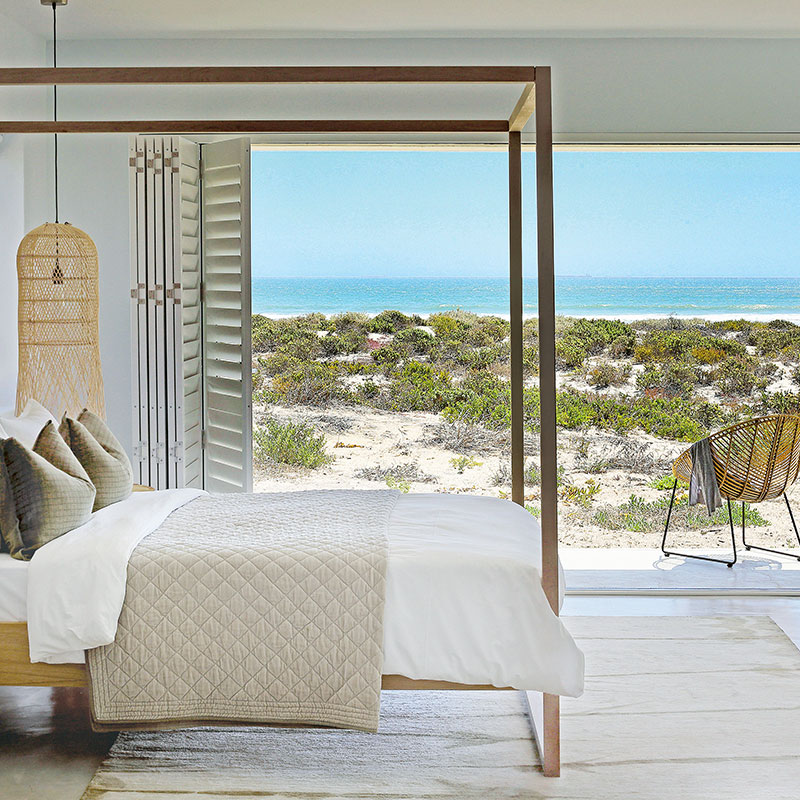
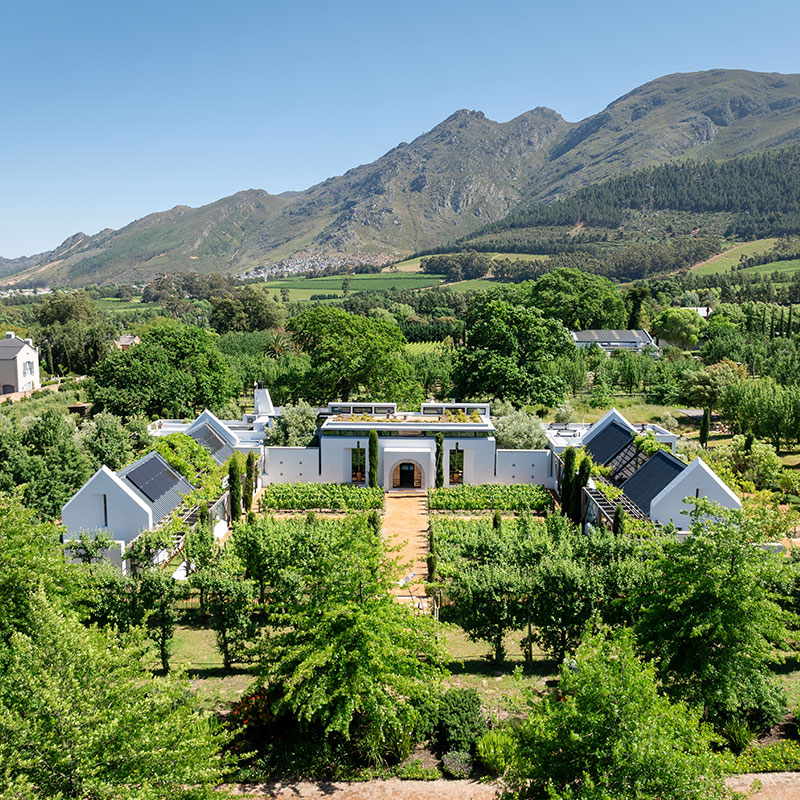
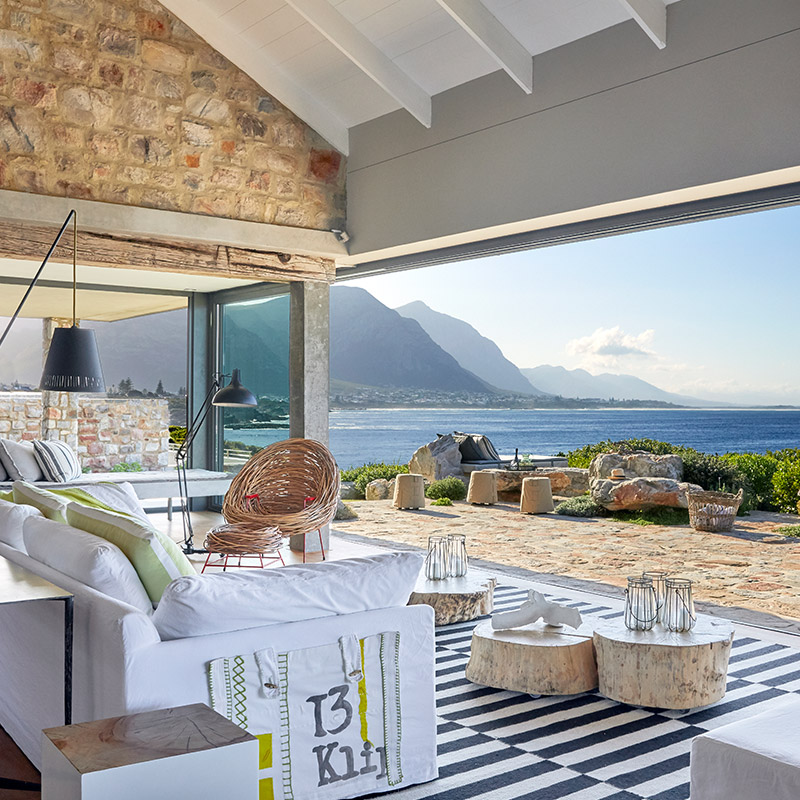
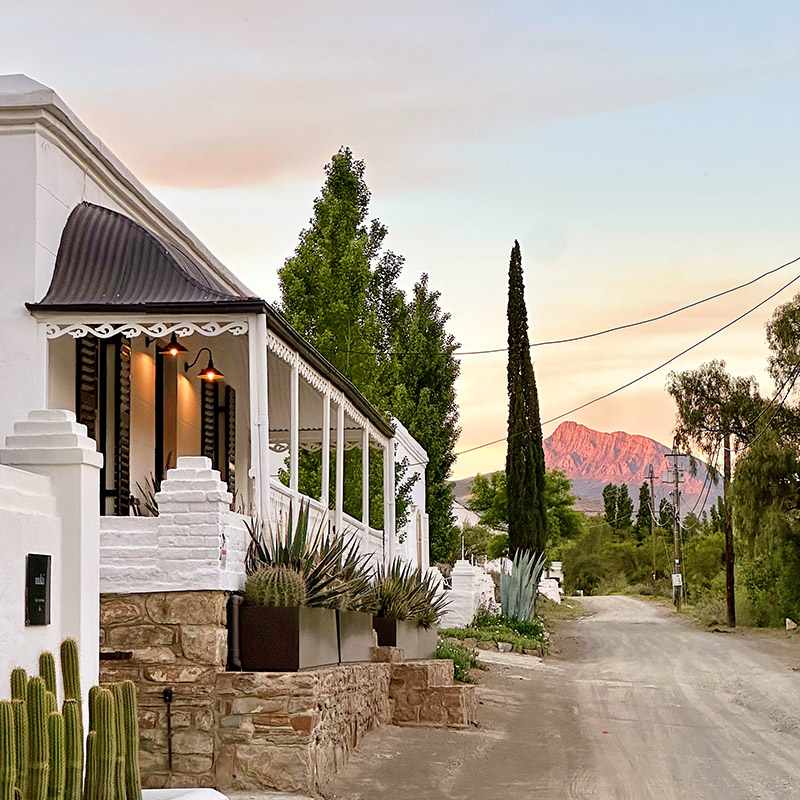
Escape to the countryside with Perfect Hideaways. Enjoy charming cottages, luxurious farmhouses, and serene landscapes, offering the perfect blend of comfort, nature, and tranquility away from the everyday hustle. View More
