PERFECT HIDEAWAYS
Tankwa Karoo hideaways
Loading more Hideaways
Explore…
The remote ruggedness of the Tankwa Karoo attracts those that love an escape into the wilderness, far from the madding crowds and technological temptations of today’s world. A place to shut off completely and readjust your strides with nature’s pace. Embark on an adventure in the desert wilderness of the Tankwa Karoo, Western Cape, through our self-catering accommodation offerings. Nestled in one of South Africa’s most remote regions, the Tankwa Karoo offers vast expanses of arid beauty, clear skies and unparalleled solitude.
The remote ruggedness of the Tankwa Karoo attracts those that love an escape into the wilderness, far from the madding crowds and technological temptations of today’s world.
Good to know
Tankwa Karoo - frequently asked questions
Where is the Tankwa Karoo?
The Tankwa Karoo is the south-western corner of the Karoo, a remote, arid plain between the Cederberg mountains to the west and the Roggeveld escarpment to the east. At its heart is the Tankwa Karoo National Park, about 146 000ha in size, which straddles the Northern and Western Cape. The Tankwa receives 0 to 100mm of rain in an average year and has no proper towns, just plains, ridges and vast horizons. Expect long distances, little or no cell signal and the deep silence of the semi-desert.
How do you get to the Tankwa Karoo from Cape Town?
Allow about four hours' drive. For Tankwa River Lodge and Riverstone Cottage, take the N1 and leave it at Matjiesfontein, a railway village founded in 1884 and worth a stop, with the last hour on gravel. For the national park, drive to Ceres, follow the R46 north, then the R355 and P2250 gravel roads, about 145km on gravel in all, to the park office at Roodewerf. De Kruis is about an hour from Sutherland, up an 8km gravel farm road where a high-clearance vehicle helps. Cell signal disappears once you leave the tar, so share your route with your hosts.
What should I know about driving the gravel roads of the Tankwa Karoo?
The R355, the P2250, the P2267 and every road in the Tankwa Karoo National Park are gravel, often sharp and loose, so check that your tyres and spare are at the correct pressure. The nearest fuel stops, in towns such as Ceres and Calvinia, are all more than 50km from the park, so fill up, carry a full jerry can and pack plenty of drinking water. Never exceed 80km/h, slow down for motor grids and watch for flash floods after sudden downpours. Let your hosts know your route.
What is the Tankwa Karoo National Park?
The Tankwa Karoo National Park is a protected area of about 146 000ha in the Succulent Karoo, one of the world's arid biodiversity hotspots and home to rare and endemic plants. Proclaimed in 1986 on veld badly degraded by livestock overgrazing, the park now spans three distinct worlds: pure desert in the west, open grasslands in the centre and the Roggeveld mountains in the east, where the land climbs to the escarpment. People have lived here for at least 10 000 years, beginning with the San and later Khoe herders.
What is the Gannaga Pass in the Tankwa Karoo?
The Gannaga Pass is a historic gravel road in the Tankwa Karoo National Park that climbs about 700m up the Roggeveld escarpment in about 6km, linking the Tankwa plains with the high country above. It was built in the 1930s as a public works project during the Great Depression, and its stone retaining walls still hold the road in place. Pull over at the viewpoint, one of only two in the park where you may leave your vehicle, and look out across the plains. Check road conditions before you drive it.
When is the best time to visit the Tankwa Karoo?
The Tankwa Karoo is at its most comfortable from autumn through winter, roughly April to September. August to October is the season for wildflowers and the peak of the birding year, with displays that depend on the rain. Winter brings cold nights, with July minimums averaging about 6°C. Summer is fierce: average maximums peak from November to March, January maximums average close to 39°C and winds are strongest from October to March, so plan outdoor time for early mornings.
When do the Tankwa Karoo wildflowers bloom?
In good years the Tankwa Karoo flowers in spring, from about August to October, after the winter rains. Succulents and annuals carpet the plains with colour, but the display depends on how much rain has fallen, so it changes a great deal from year to year. Look closely: the Tankwa Karoo National Park's plant list runs to about 780 species, some found nowhere else in the world. Ask your hosts or our reservations consultants about recent rain before you plan a flower trip.
Is the Tankwa Karoo good for birdwatching?
Yes. More than 180 bird species have been recorded in the Tankwa Karoo National Park, and spring, from August to October, is the peak season. Scan the bare gravel along the park's southern boundary track for Burchell's courser, notoriously tricky to spot and absent in some years, and look for the Karoo long-billed lark at the southern edge of its range. Along the P2250, watch for Karoo korhaan, Ludwig's bustard and tractrac chat, while Namaqua warblers flit through the reeds and thorn thickets along the Tanqua River.
Can you go stargazing and visit the telescopes at Sutherland from the Tankwa Karoo?
Yes. With no towns, dry air and no light pollution, the Tankwa Karoo has dark night skies, so simply step outside after dinner. For a closer look, the South African Astronomical Observatory outside Sutherland, about an hour's drive from De Kruis, runs guided day tours of its research telescopes, among them SALT, the Southern African Large Telescope, from Monday to Saturday. Its visitor centre hosts stargazing sessions of about 90 minutes on Mondays, Wednesdays, Fridays and Saturdays, weather permitting. Neither runs on Sundays or public holidays, and booking is essential.
What is there to do in the Tankwa Karoo?
The Tankwa Karoo is made for slow, self-guided exploring: the national park has no formal hiking trails or organised game drives, so you set the pace. Follow the park's gravel roads and 4×4 trails from the desert plains into the mountains, with binoculars ready for more than 180 bird species. Look for wildflowers in spring and stars at night. On the R355, the Tankwa Padstal is a welcome stop for a cold drink and a bite to eat. Our concierge team can help you plan your days.
Is the Tankwa Karoo malaria-free and suitable for children?
Yes, for families who love the outdoors and come prepared. The Tankwa Karoo is malaria-free: South Africa's National Institute for Communicable Diseases says malaria transmission is mainly confined to low-altitude parts of KwaZulu-Natal, Limpopo and Mpumalanga. Child rules differ between our hideaways: De Kruis welcomes children over eight, a twin room at Tankwa River Lodge suits children and Riverstone Cottage is unfenced and visited by baboons, so close the doors and windows whenever you go out. Pack sunhats, plenty of drinking water and warm layers for winter nights.
Which Perfect Hideaways are in the Tankwa Karoo?
All three of our Tankwa Karoo hideaways lie on farms reached by gravel roads. Tankwa River Lodge, a characterful Karoo homestead on a working farm, sleeps 12 in six bedrooms, and Riverstone Cottage, 800m away, sleeps four in two bedrooms. Beneath the Great Escarpment, De Kruis is a sensitively restored farmhouse at the centre of 7 345ha of land, sleeping eight in four en-suite bedrooms and running entirely off the grid.
How do I book a hideaway in the Tankwa Karoo?
Send an enquiry or call the Perfect Hideaways team on +27 21 790 0972 (Monday-Thursday 8.30am-5pm, Friday 8.30am-4pm SAST). If you hope to see the spring wildflowers, from about August to October in good rain years, book early. Our reservations consultants can match you with the perfect hideaway. Through our bespoke travel service, we also craft custom itineraries for our guests, shaped around their own dreams and desires.
Let Us Do The Work
Our knowledgeable Reservation Consultants LOVE travel planning! They are passionate about discovering your wants and needs, and match-making you to the hideaways that will deliver a tailor-made, perfect holiday experience.
Lifestyles
The travel lifestyle and how our hideaways are curated to your taste …
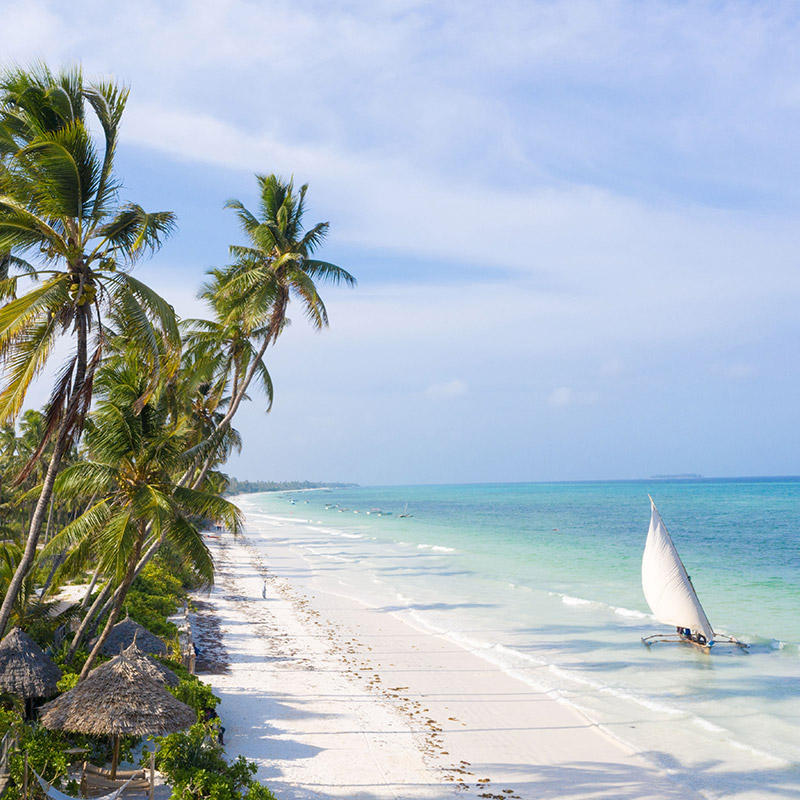
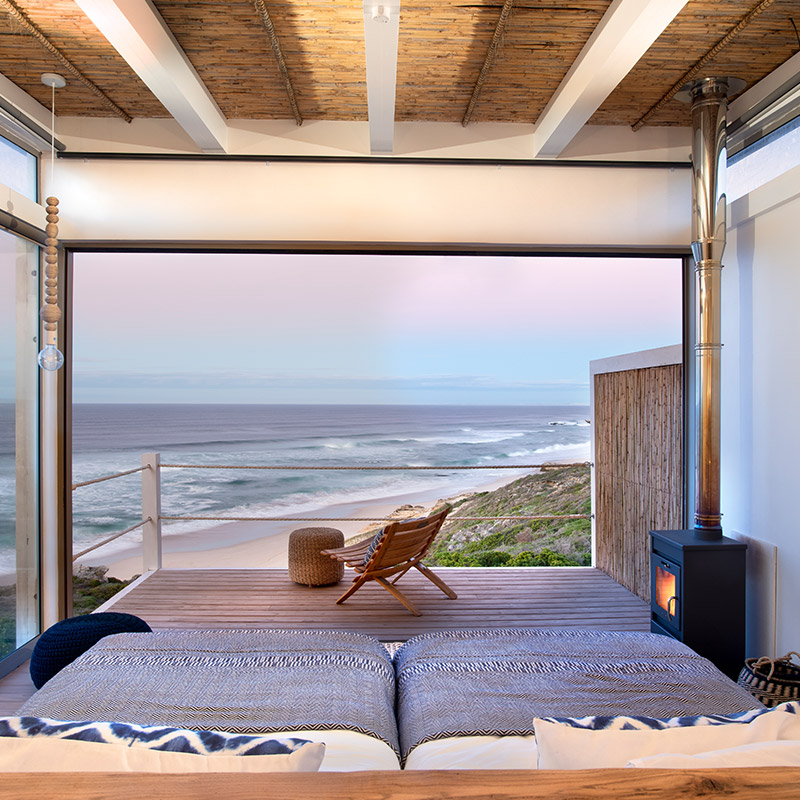
Intimate, handpicked hotels and guesthouses with rooms booked individually and a team to look after the details, from city bases to countryside and seaside retreats. View More
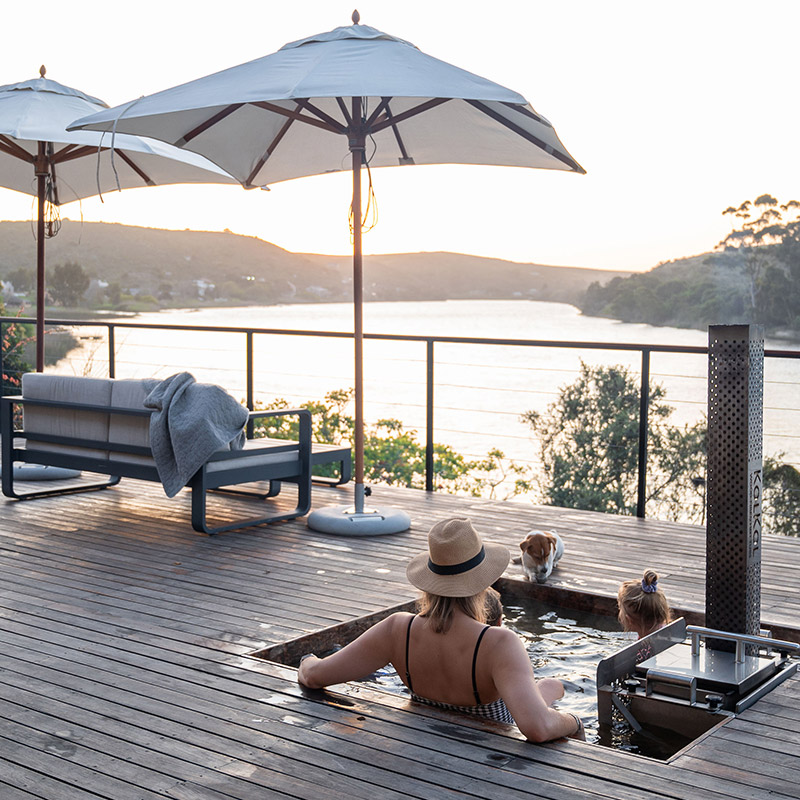
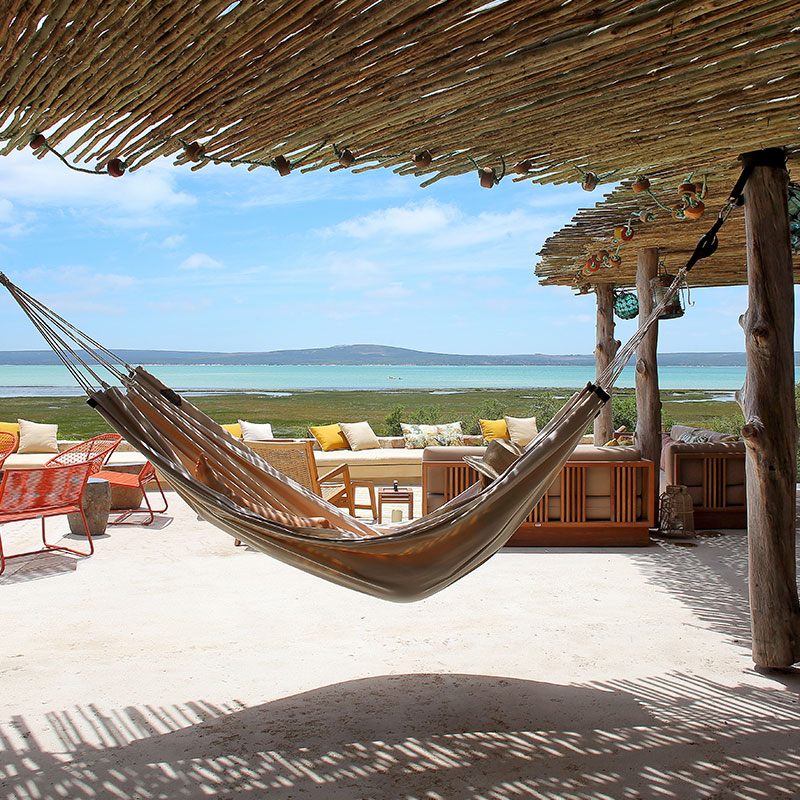
Hideaways for unplugging and doing less, some off the grid, all made for unhurried days. Coffee at sunrise, a long walk and an early night. View More
Farmhouses, cottages and country homes among farmland, vineyards and rolling hills. Wander the fields, gather around the table and let the days slow down. View More
